How To Mix Cabinet Colors Like a Designer

Updated Jun 09, 2026, Published May 13, 2025
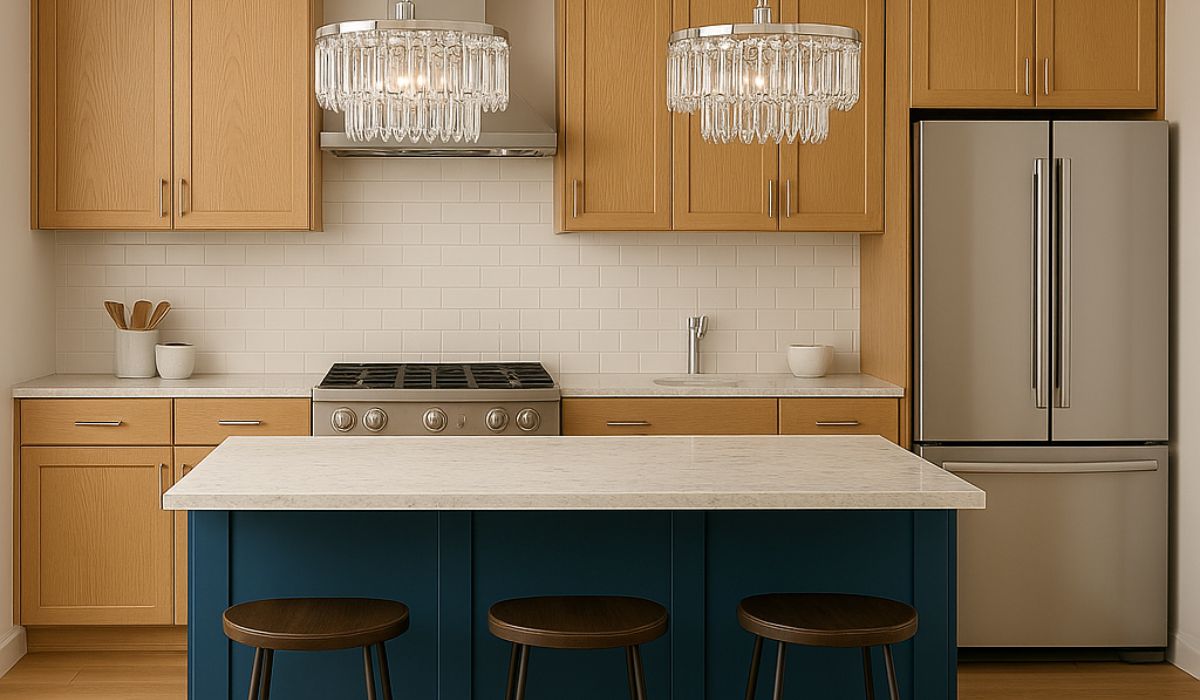
Feeling like your kitchen or bathroom lacks personality? You’re not alone. Many homeowners find their spaces feel flat or too uniform, especially when everything blends into a single color palette. Often, the cabinets are all one tone, leaving countertops or hardware as the only visual focal points.
The good news? With a little creativity and a few designer-approved tips, you can transform your space by mixing cabinet colors in a thoughtful, stylish way. At Discount Kitchen Direct, we’re here to guide you through the art of color pairing so you can give your kitchen a fresh, high-end look.
Start with a Neutral Base
It’s a good idea to start with a neutral base, such as white, cream, gray, or taupe, in order to layer other colors. These bases provide visual balance and make sure the other colors you add aren’t overwhelming. For example, white or light grey for the upper cabinets makes darker or brighter colors on lower cabinets or islands stand out.
These bases are beneficial for introducing other textures and patterns. They provide subtlety that makes your space more versatile and allows it to sync with wood finishes, metallic hardware, or engaging backsplash designs.
Choose a Color Scheme
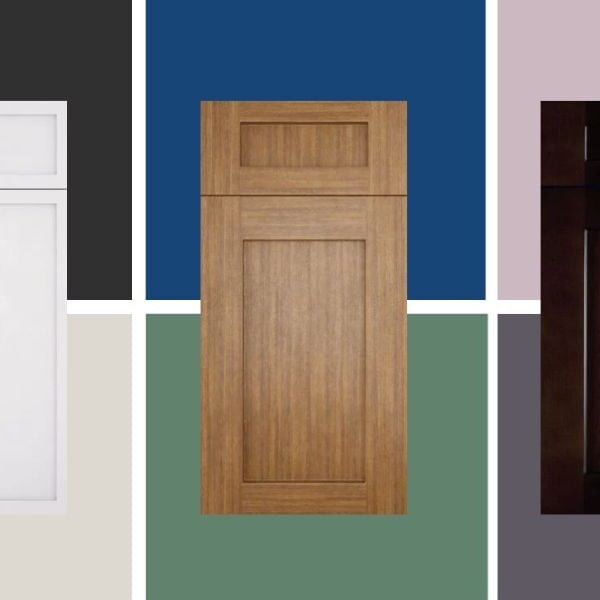
After choosing a base, decide on a color scheme. This is important because it ties together the whole room and can set the mood for the entire space. For example, if you’re looking for relaxed, nautical vibes, choose soft blues or yellows. If you’re going for a rustic, earthy style, use dark greens or textured browns.
It’s also a good idea to consider the size of your space when choosing the color scheme. Bright shades can make a small room seem larger, while dark colors can scale down a spacious room. The color scheme should take up the most visual space in your room to create a backdrop for accents.
Choose Coordinating Tones for a Balanced Look
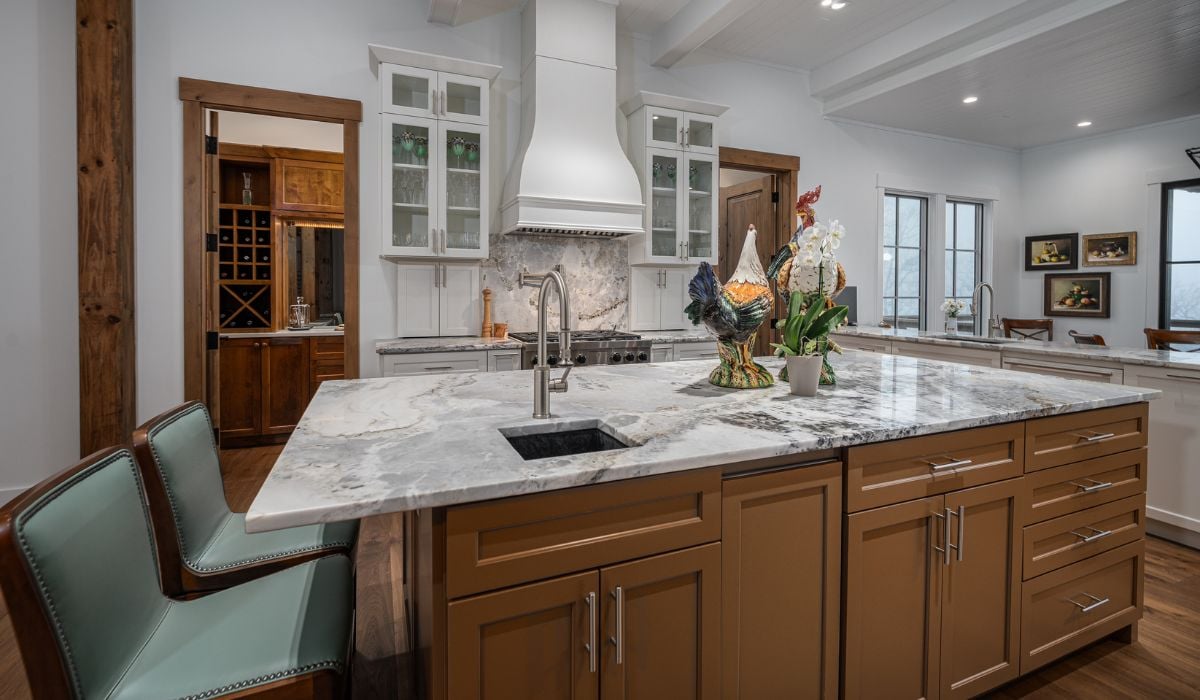
When mixing cabinet colors, the goal isn’t contrast for contrast’s sake; it’s creating visual balance. Rather than using opposing colors on the color wheel (like red and green), which can feel jarring in a home setting, opt for tones that coordinate naturally.
Designers often lean into analogous color schemes (colors that sit next to each other on the color wheel, such as soft blues and greys or warm taupes and creams). These pairings offer subtle contrast while maintaining a cohesive, elegant feel.
When done well, mixed cabinet colors can add depth and personality to your kitchen without overwhelming the space.
Play with Two-Tone Cabinets
A safe way to experiment with multiple colors is to invest in two-tone cabinets. This involves using one color for upper cabinets and another for lower cabinets. This process benefits from using light colors on top, which draws the eye upward, makes the room feel larger, and gives the darker shades a foundation.
Your kitchen may benefit from white upper cabinets with navy or charcoal cabinets on the bottom. You could also install lighter upper cabinets with dark wood finishes on the bottom. A two-toned cabinet layout is a great way to experiment with colors.
Use Wood Accents to Add Warmth
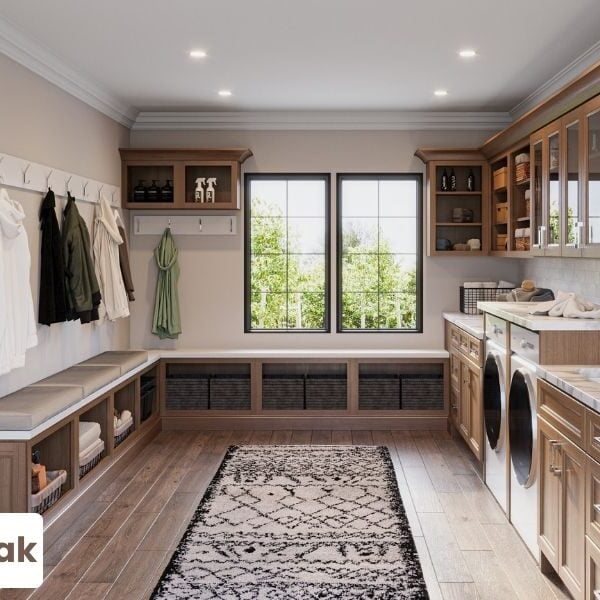
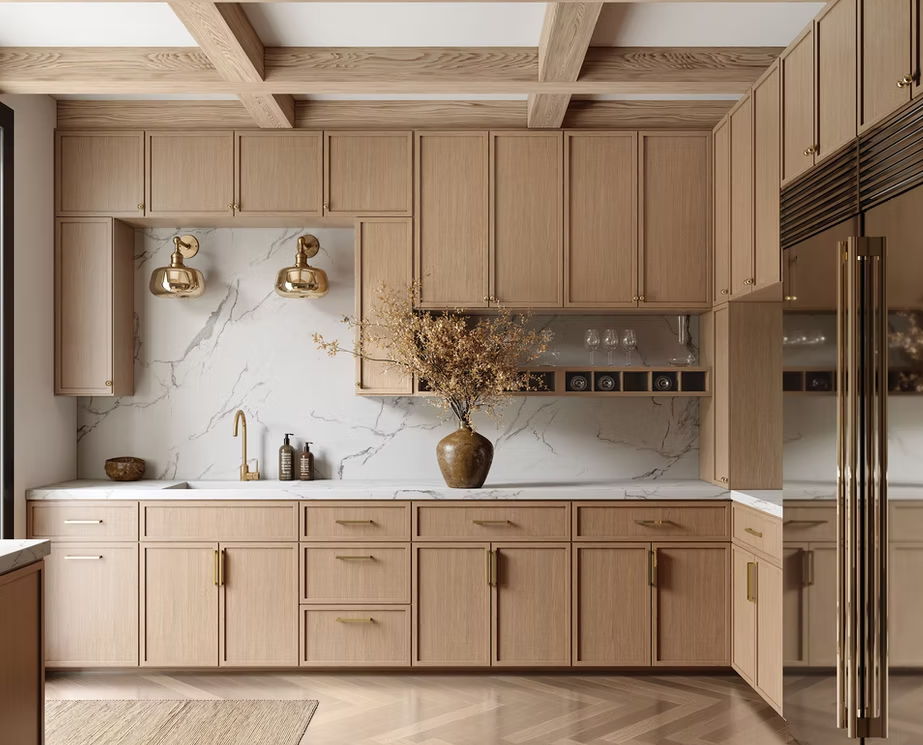
A popular way to mix cabinet colors like a designer is through the use of wood-accented pieces. Wood is the most versatile texture for cabinets and pairs nicely alongside painted options. Many white or beige cabinets pair nicely with wood lower cabinets and create a rustic or natural look.
It’s always a good idea to consider what colors pop when you pair them with wood. Birch or oak looks great with soft palettes, while walnut can add a lot of richness with other dark shades. You can even bring the wood detailing into other elements, such as floating shelves or interior trims, to keep your designs consistent.
Balance With Hardware Finishes
Playing around with cabinet colors includes more than the color of the cabinets themselves. You should also consider the hardware color when trying to achieve balance and add polish to your design. Everything, including the knobs, handles, and hinges, can affect the other color choices in your kitchen.
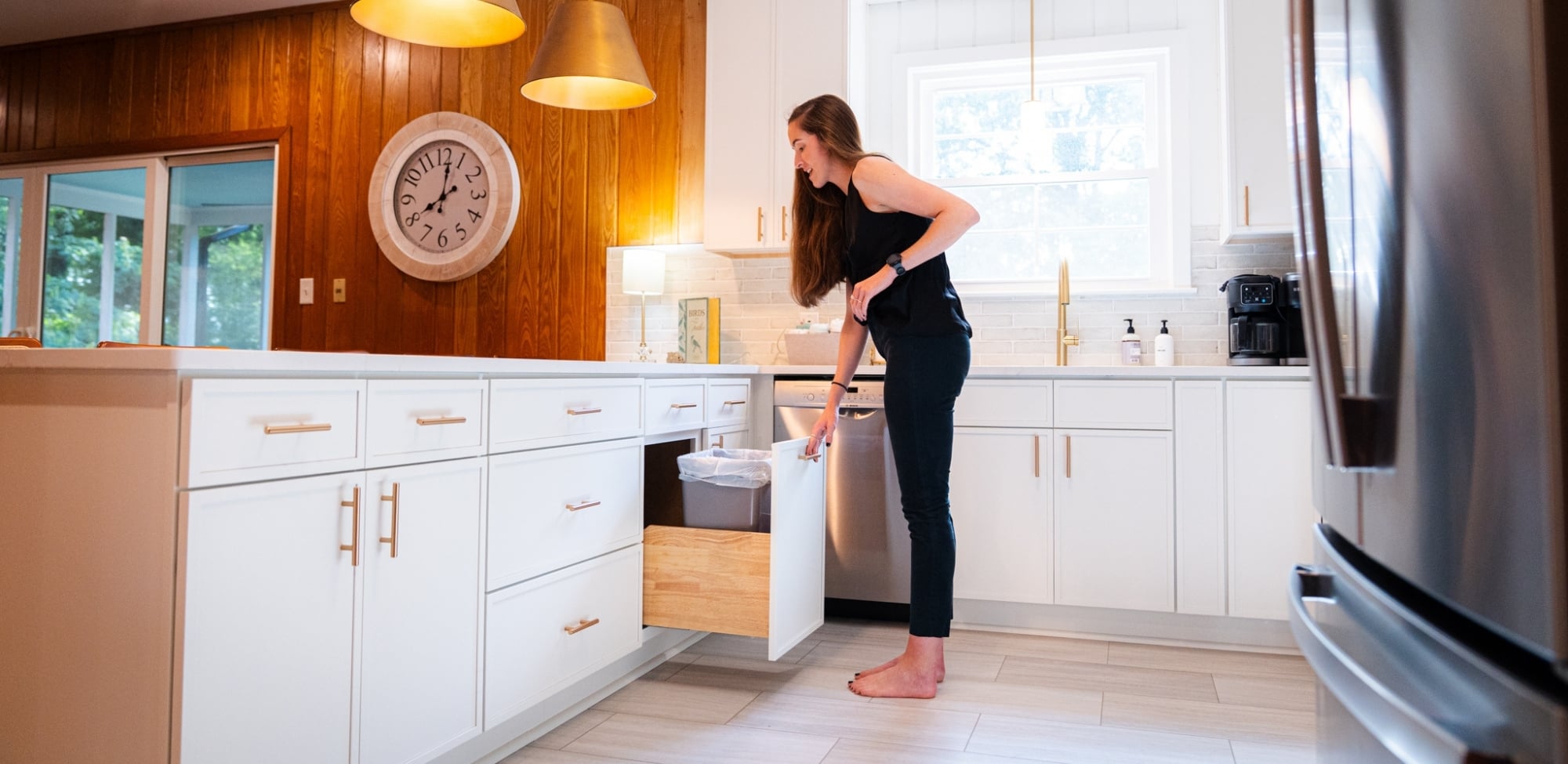
Many people like a dark or cool tone, like matte black, because it pairs nicely with white cabinets. However, other shades, like blue, pair exceptionally well with gold or brass. You can mix metals to elevate the look, but don’t overcomplicate your design. Even with different hardware styles and colors, your goal is cohesiveness.
Consider the Whole Design, Not Just the Cabinets
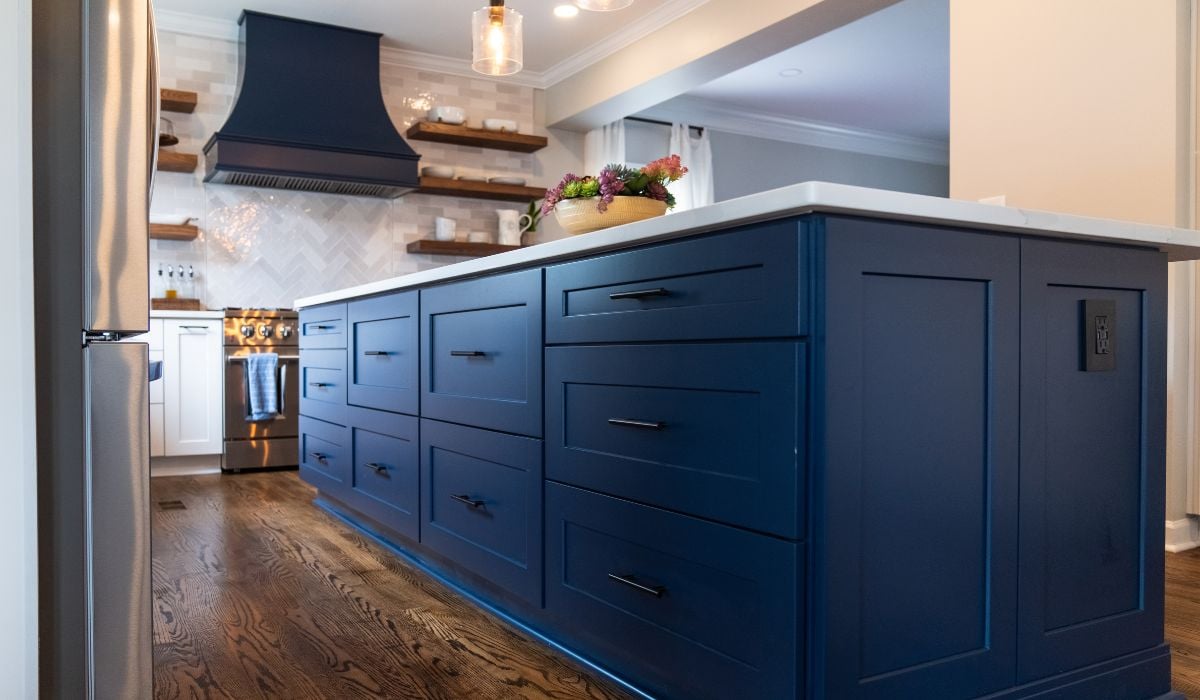
When selecting cabinet colors, think beyond the cabinets themselves. Every element in your kitchen should work together to create a cohesive look. Ask yourself: How will the cabinet finish complement your countertops? Does it coordinate with the flooring? Even appliances like your refrigerator or range can influence the overall color harmony.
For example, marble countertops with subtle gray veining pair beautifully with rich charcoal cabinets, creating a sophisticated, unified feel. A vibrant backsplash can act as a visual bridge between different tones, helping to tie everything together while adding personality.
Always view your kitchen as a complete composition. Rather than focusing solely on cabinet-to-cabinet combinations, consider how your palette interacts with every surface and fixture in the room. That?s the key to a designer-worthy space.
Incorporate Texture for Depth
Mixing cabinet colors is a great start, but adding different textures can take your space to the next level. Combining smooth, high-gloss finishes with matte or distressed surfaces introduces depth and interest without complicating the color scheme.
For instance, pairing glossy white cabinets with rustic wood lower cabinets creates a balance of sleek and organic elements. Shaker cabinets offer a sleek, simplistic design that looks great when you compliment them with a natural grain. Think about how colors and textures work together, and find ways to create a designer-like finish with these elements.
Create a Space That Speaks to You
Mixing cabinet colors like a designer involves creative thinking, attention to detail, and experimentation. A neutral base is the best place to start, and you can build from there to find something that works for your home. While you want a cohesive result, the design is ultimately up to you!
Looking to bring your kitchen design to life? At Discount Kitchen Direct, we offer high-quality white shaker cabinets that deliver timeless style and versatility. Visit our website today to explore our collection and start transforming your space.