Are White Kitchens Officially Over? Why 2026 Is the Year of Wood Cabinets

Published May 06, 2026
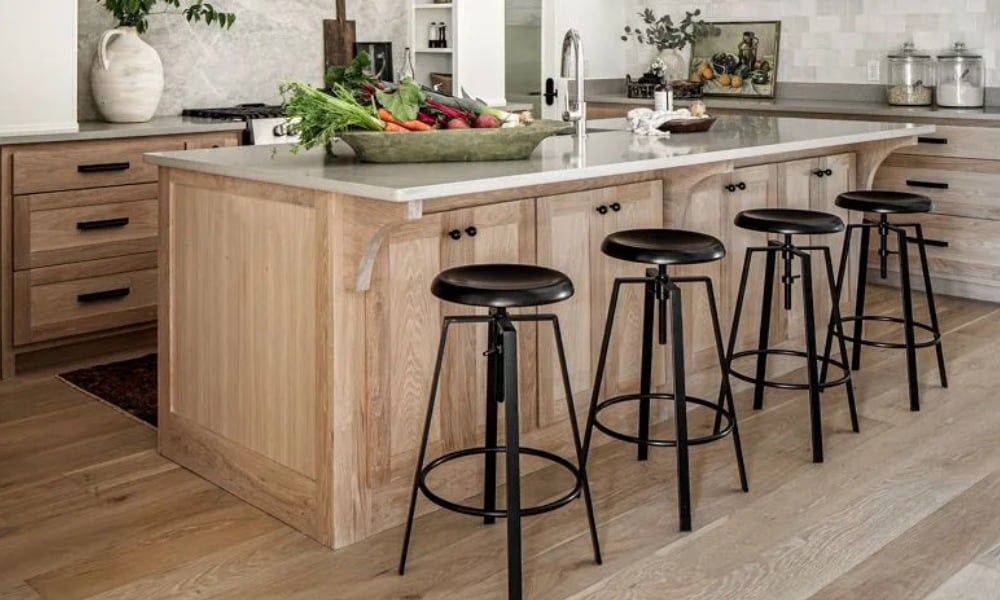
For years, white kitchens have been the design standard. Clean, bright, and timeless. They’ve dominated home magazines, Pinterest boards, and new construction homes alike. And for good reason. White kitchens created a sense of openness and simplicity that homeowners loved.
But in 2026, something is shifting.
Don’t worry, white kitchens aren’t disappearing, but they are evolving. Homeowners are starting to move away from stark, all-white spaces and toward kitchens that feel warmer, more layered, and more connected to real life. And at the center of that shift is one major design movement: wood cabinets and natural materials.
The Shift Away From “Perfect” Kitchens
The all-white kitchen had its moment because it represented something aspirational — clean lines, minimal clutter, and a polished, almost showroom-like finish. But over time, many homeowners began to feel something was missing.
White kitchens can sometimes feel:
- Too sterile
- Too uniform
- Lacking depth and personality
As lifestyles have changed, so have expectations. Kitchens are no longer just visual centerpieces — they’re gathering spaces, workspaces, and everyday living environments. People want their kitchens to feel comfortable, lived-in, and personal, not just picture-perfect.
That’s where natural wood cabinets enter the conversation.
Wood Cabinets Aren’t What They Used to Be
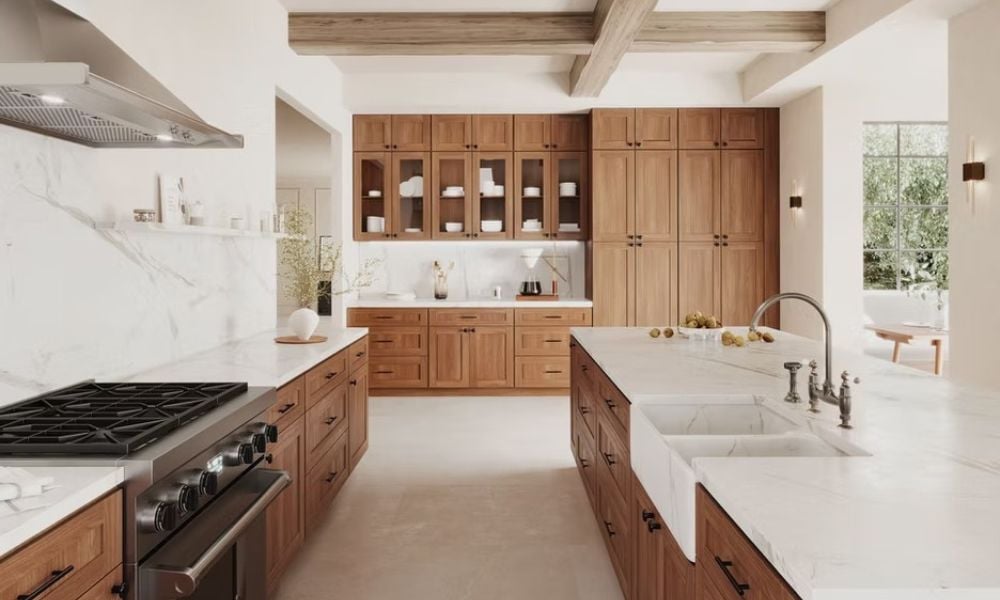
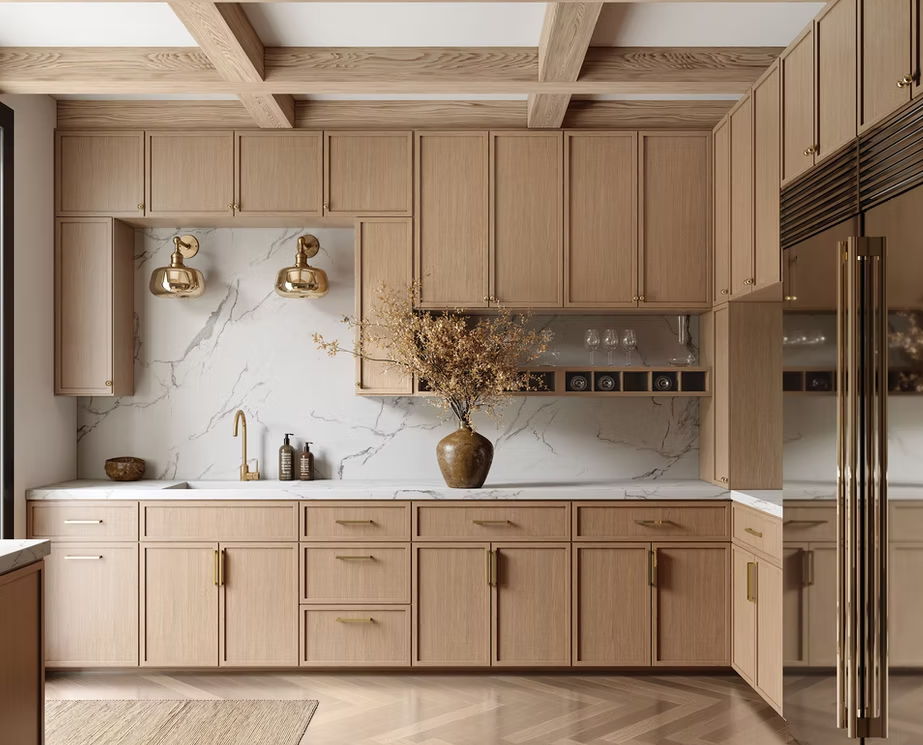
When some homeowners hear “wood cabinets,” they immediately think of heavy, orange-toned kitchens from decades past. But the wood tones trending in 2026 are entirely different.
Today’s wood cabinetry is:
- Lighter and more natural in tone
- Subtle in grain and texture
- Paired with modern layouts and clean lines
- Often mixed with painted finishes for contrast
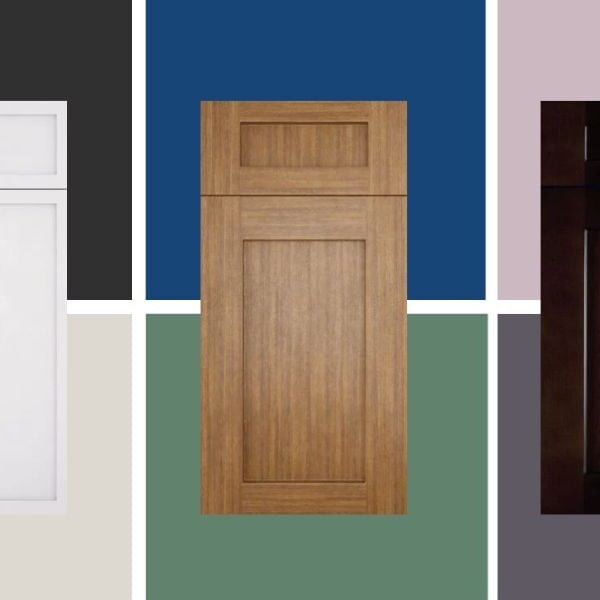
Think less “dated oak kitchen” and more refined, organic design. Finishes like our Homestead Oak, Shaker Honey, and Oxford Toffee bring warmth without overwhelming the space. They create a sense of balance — something white kitchens often struggled to achieve on their own.
Browse all of Discount Kitchen Direct’s wood cabinet color options.
Why Homeowners Are Choosing Wood Cabinets in 2026
This shift isn’t just about aesthetics. It’s about how a space feels.
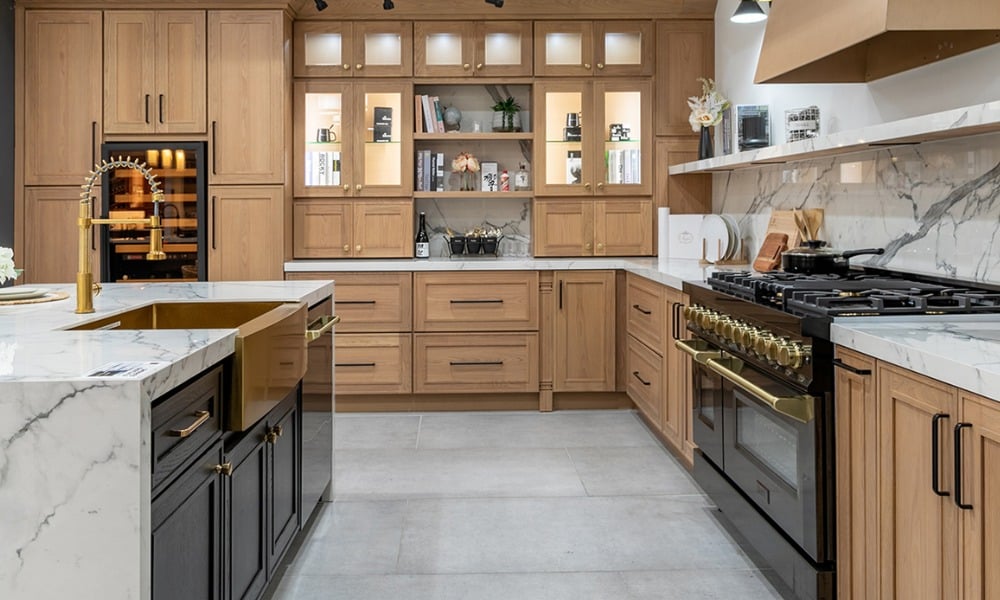
Wood tones introduce something that white kitchens can’t always deliver: depth and comfort. They absorb light differently, add visual texture, and create contrast that feels natural rather than forced.
We’re seeing homeowners gravitate toward wood cabinetry because it:
- Softens the overall look of the kitchen
- Adds dimension without needing bold color
- Feels more timeless than trend-driven
- Creates a connection to natural materials and organic design
“A lot of homeowners come into our showroom thinking they want white,” one DKD designer noted, “but once they see how wood tones interact with lighting and countertops, it completely changes their perspective.”
This is especially true in spring, when natural light becomes a bigger factor. Wood finishes come alive in daylight, creating a kitchen that feels dynamic instead of flat.
The Rise of Mixed Kitchens: Where White Still Fits
Don’t panic. White kitchens aren’t going away. They’re just no longer standing alone.
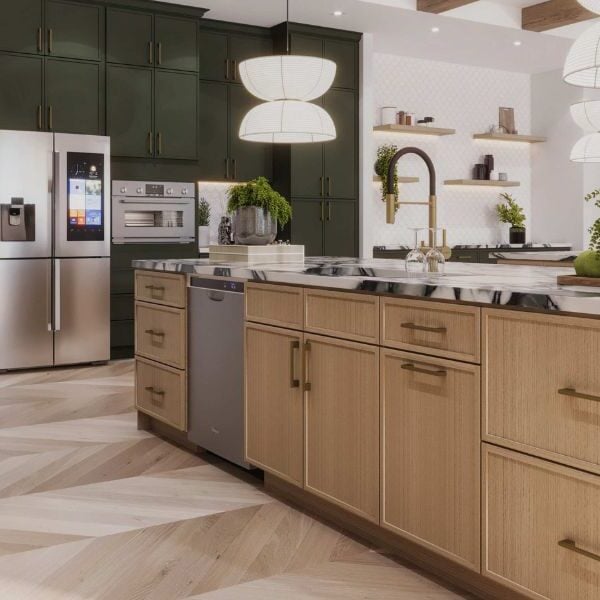
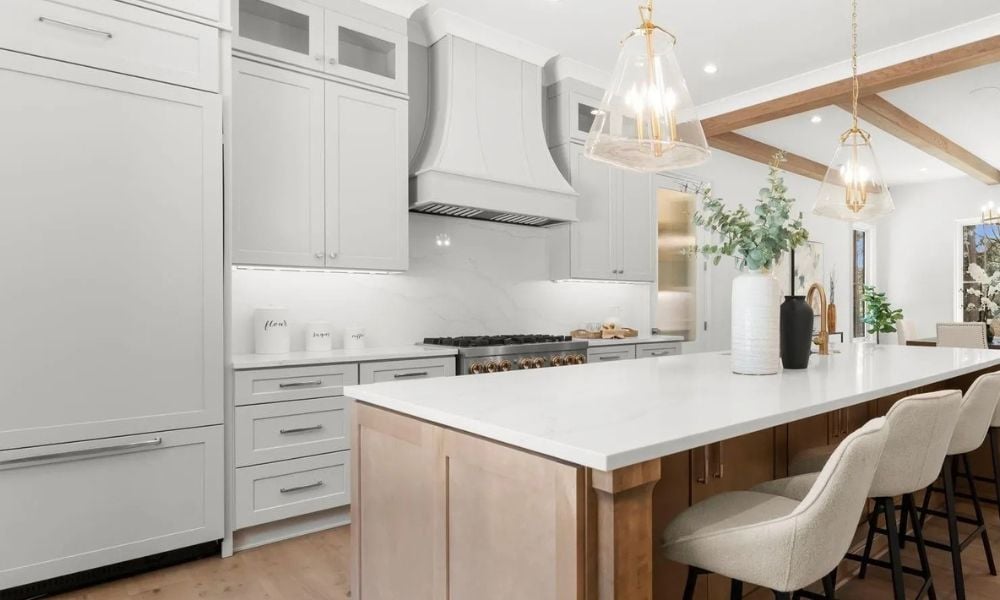
One of the most popular design approaches in 2026 is the two-tone kitchen, where white is paired with warmer elements to create balance. Instead of an all-white space, homeowners are mixing finishes to add contrast and personality.
Common combinations include:
- White upper cabinets with wood base cabinets
- Wood islands paired with painted perimeter cabinets
- Neutral tones like greens or taupes layered with natural wood finishes
This approach allows homeowners to keep the brightness of white while introducing the warmth and texture that makes a kitchen feel complete.
How to Incorporate Wood Without Overdoing It
One of the biggest concerns homeowners have is going too far in the other direction by creating a space that feels dark or heavy. The key is balance.
If you’re considering wood cabinets, focus on thoughtful integration rather than full saturation. For example, using wood on a kitchen island or base cabinets can anchor the space, while lighter finishes above keep things open and airy.
Pay attention to undertones as well. Not all wood finishes are the same—some lean more golden, others more neutral. Pairing the right wood tone with your countertops, backsplash, and flooring makes all the difference.
At DKD, we often guide homeowners toward combinations that feel cohesive, not forced—ensuring the final result feels intentional from every angle.
What to Do Next: Evolving Your Kitchen for 2026
If you’re reading this and wondering what it means for your own kitchen, you’re not alone. Whether you’re starting from scratch or working with an existing space, there are practical ways to embrace this shift.
If you already have a white kitchen, consider introducing warmth through:
- A wood tone island or accent cabinetry
- Updated hardware in warmer finishes like brushed brass
- Natural elements like wood floating shelving or décor
If you’re planning a remodel, this is the moment to think beyond all-white and consider a more layered approach. Incorporating wood tones from the start allows you to create a kitchen that feels current, balanced, and built to last.
And if you’re not sure where to start, that’s where guidance matters. And we’re here to help with our FREE design service.
A More Livable Kind of Kitchen
The move toward warm wood and natural materials reflects something bigger than a design trend. It reflects a shift in how people want to live in their homes.
In 2026, the most desirable kitchens aren’t the ones that look untouched, they’re the ones that feel welcoming, functional, and real. Spaces where people gather, cook, and spend time without worrying about perfection.
At Discount Kitchen Direct, we’re seeing this shift firsthand. Homeowners are choosing wood tones, mixing finishes, and designing kitchens that reflect their lives — not just a trend cycle.
And in many cases, they’re realizing something simple:
You don’t need to abandon white—you just need to evolve it.